



Skip to main content Scroll Top
Door, Window and Sintered Lock Parts

Evaluates technical drawings, dimensions, geometry, direction of movement, and assembly requirements for sintered parts used in door, window, and lock mechanisms; coordinates the process by identifying suitable supply sources

We evaluate technical drawings, samples, dimensions, threads, channels, hubs, cams, sliders, direction of movement, and assembly conditions. By researching sintered locking component options that meet the project’s requirements, we coordinate the quotation, sample, documentation, and delivery phases.
The sintered part source tailored to needs
we determine

Dimensional and Installation Compatibility

For gears, pistons, cams, and slide components used in tight installation spaces, dimensional, tolerance, and mounting requirements are evaluated together.

Motion and Locking Alignment

Appropriate mechanism options are compared, taking into account the part’s operating direction, motion frequency, stroke, load, and contact surfaces.

Regular Supply Planning

For repeat orders, supplier capacity, lead time, technical revisions, and product continuity are evaluated together.

Different Mechanism Geometries

Supply options for various geometries—including teeth, grooves, hubs, cams, slides, and locking surfaces—are explored.

Material and Surface Options

Material, surface, and finishing options are evaluated based on friction, wear, the corrosive environment, and aesthetic requirements.

Technical Continuity

The up-to-date status of information regarding dimensions, tolerances, materials, revisions, and documentation is tracked from the proposal stage through to regular delivery.

Door, Window and Sintered Lock Parts

Sintered parts used in doors, windows, and security mechanisms may include various functional components such as teeth, channels, hubs, cams, pistons, and slides. When evaluating requests for these parts, we clarify the scope of the requirement by collectively assessing data such as technical drawings, existing samples, dimensions, tolerances, direction of operation, installation area, load, frequency of movement, friction, corrosion environment, and surface finish requirements.

For requests for standard or project-specific sintered fasteners, we compare national and international sourcing options in terms of technical suitability, order terms, pricing, sample availability, surface treatments, documentation, and lead time. We ensure that the process proceeds in a planned and traceable manner—from identifying the appropriate supplier to tracking quotes and samples, and from sharing technical information to coordinating regular orders and deliveries.

Barel Pear and Barel Ingredients

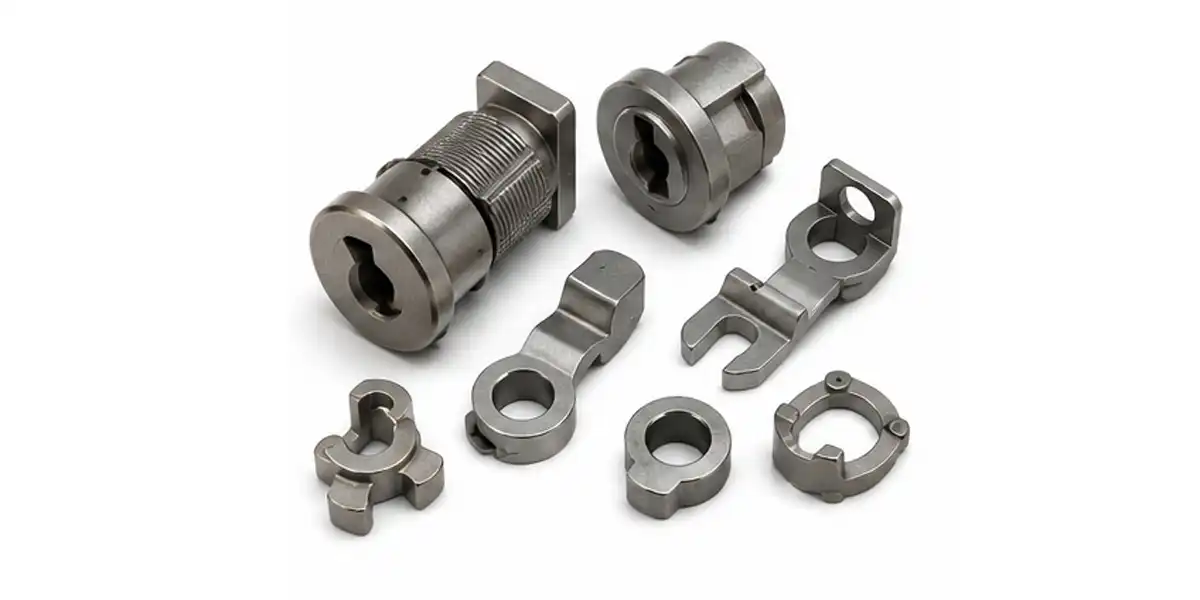
We evaluate supply options for barrel nuts and related components—which transmit the movement of the key or cylinder to the lock mechanism—based on their dimensions, connection type, angle of movement, and installation space.
Lock Pistons and Slider Parts

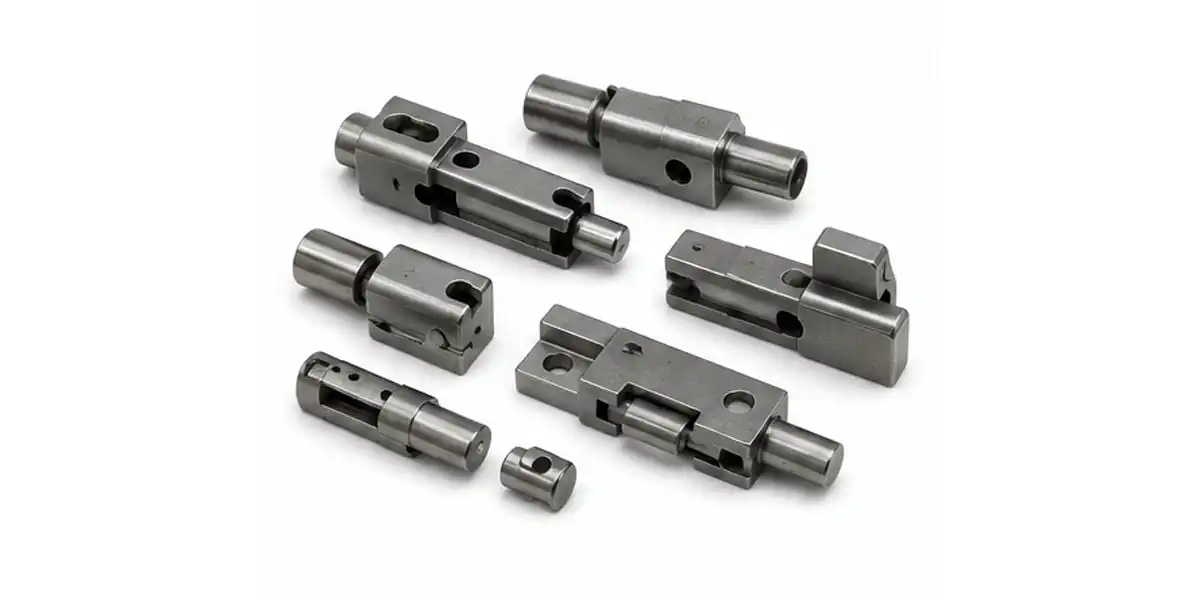
We are researching suppliers for piston and slide components that convert the opening-closing motion into a linear locking motion, based on stroke, load, friction, dimensions, and frequency of use.
Window Latch Gears

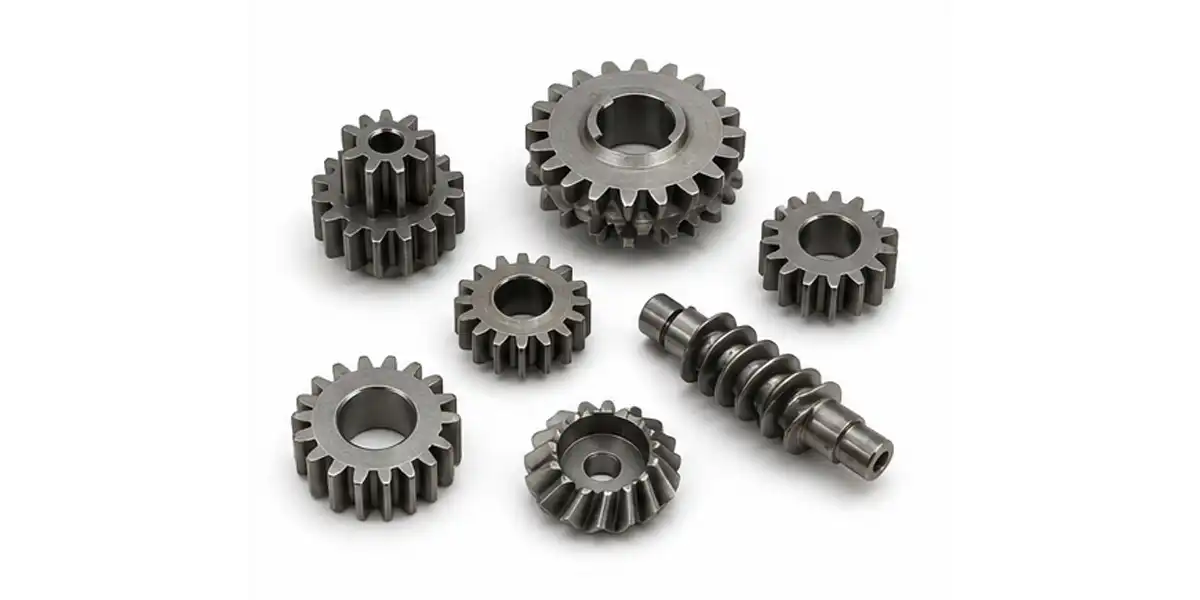
We are comparing options for the tooth geometry of the window latch gears—which transmit motion from the window handle to the locking points—based on the limited installation space, direction of motion, and technical specifications.
Steel Door Mechanism Components

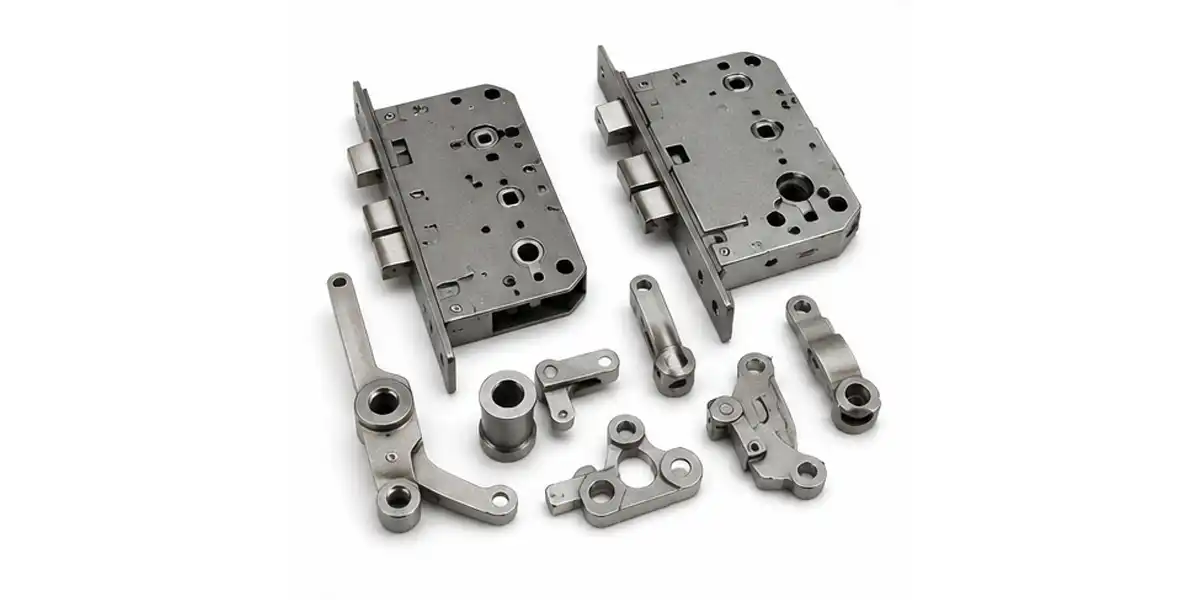
We develop supply models tailored to the connection types, loads, tolerances, and system requirements for the mechanical components used in the central locking, sliding, and motion transmission assemblies of steel doors.
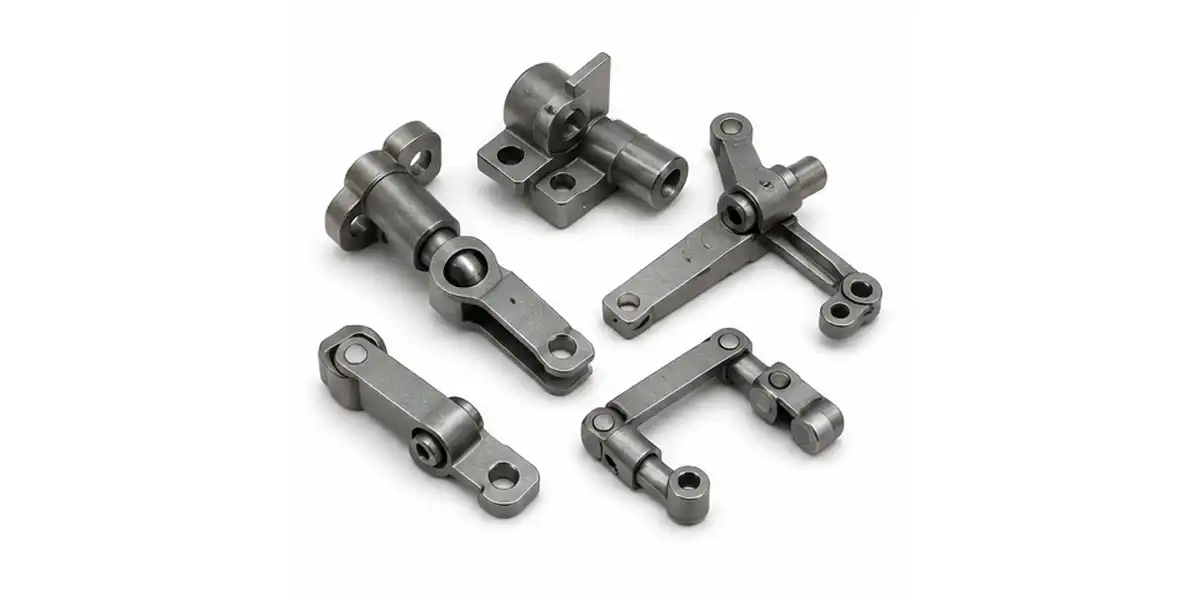
Automatic Slider and Hinge Parts

We identify materials suitable for compact transmission and connection components used in opening, closing, directing, and locking mechanisms, based on their frequency of operation, assembly design, and operating conditions.
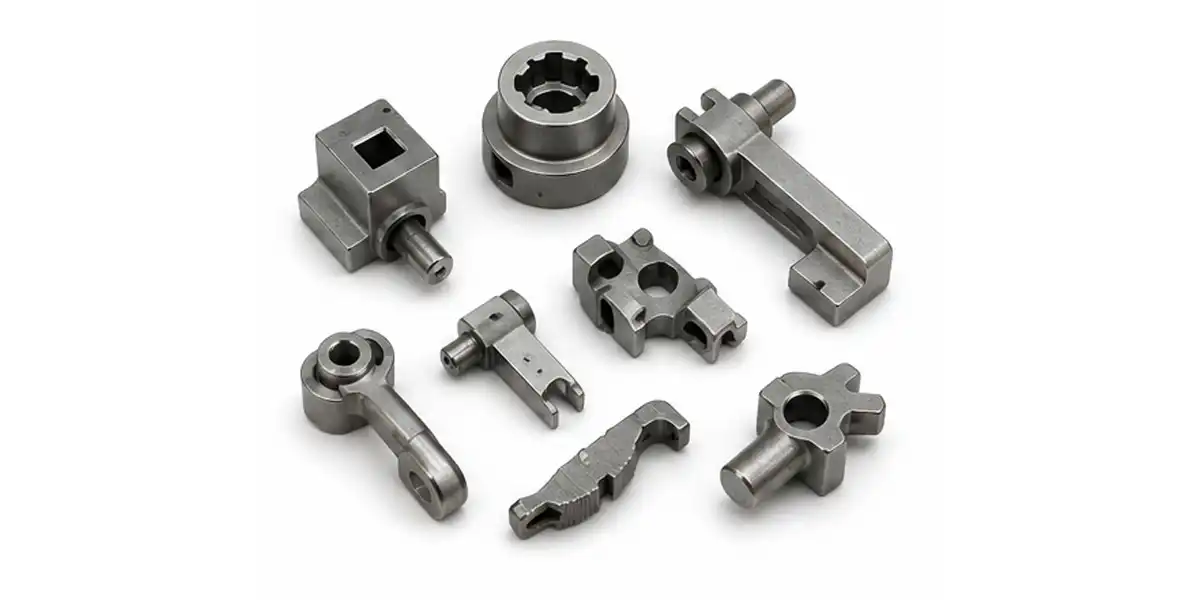
Project-Specific Locking Components

For fastening needs not met by standard product lines, we explore supply alternatives that meet the specified geometry, material, tolerances, and order conditions based on technical drawings, 3D models, or samples.